Independent Blower and Fan Performance Testing: Laboratory Methods for Certified Aerodynamic Performance
Summary
Blower and fan performance testing measures airflow, pressure, efficiency, and vibration characteristics of industrial fans under controlled laboratory conditions. Testing is typically conducted according to ANSI/AMCA 210-07 and ANSI/ASHRAE 51-07 standards, which define methods for evaluating aerodynamic fan performance. API 673 is a standard used by the process industry for centrifugal fans. Advanced testing facilities use instrumentation such as torque telemetry systems, vibration monitoring sensors, and multi-channel data acquisition systems to generate accurate fan performance maps or curves and to record vibration levels (Figures 1 to 4). MSI uses this same instrumentation in our test facilities and in the field at customer sites for acceptance testing or troubleshooting.
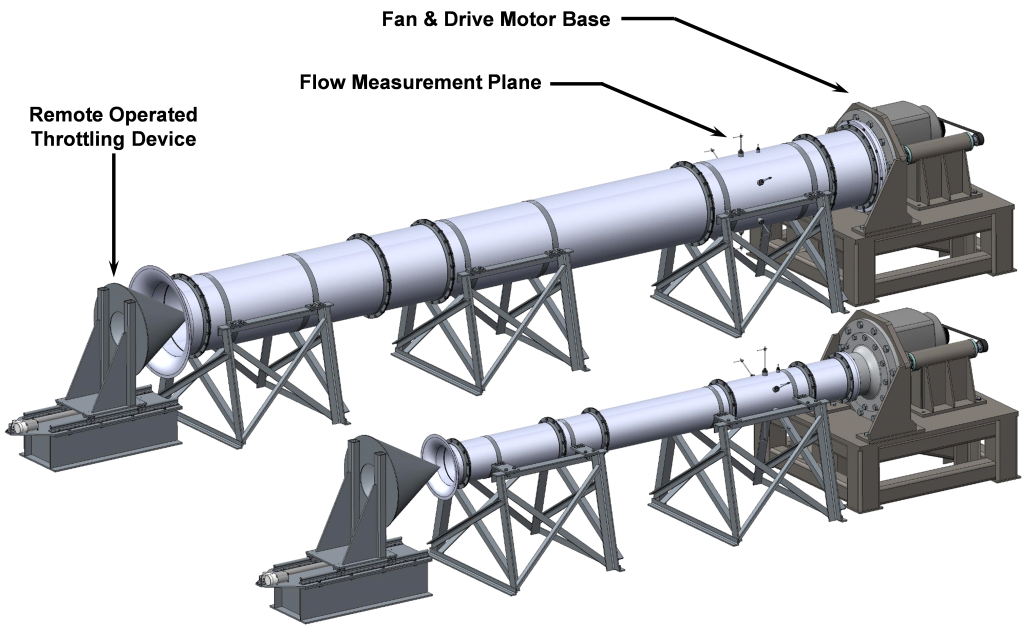 Figure 1. CAD models of an AMCA standard test set-up that includes a remotely operated throttling device.
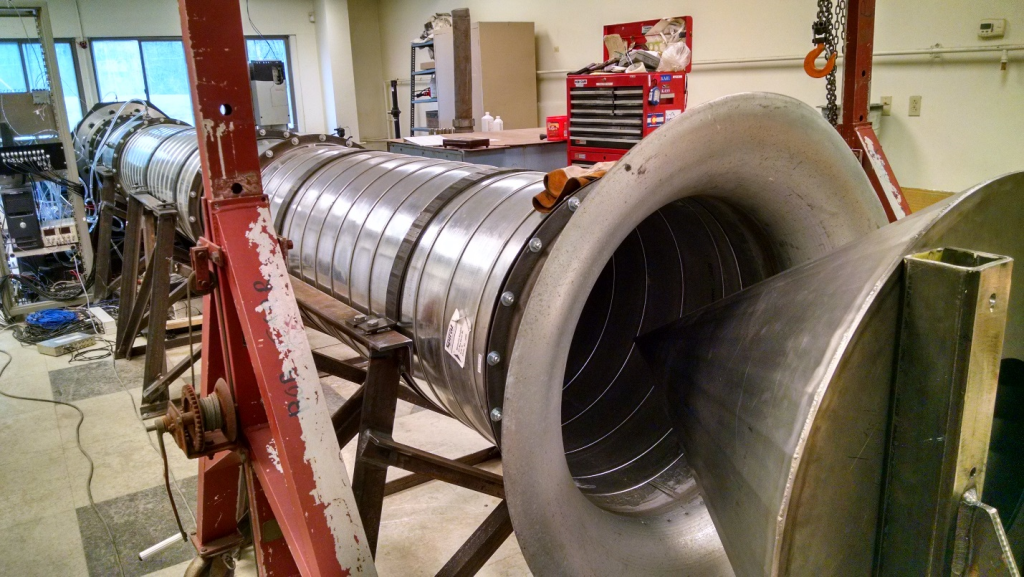 Figure 2. View of an example test setup with a remote throttling device.
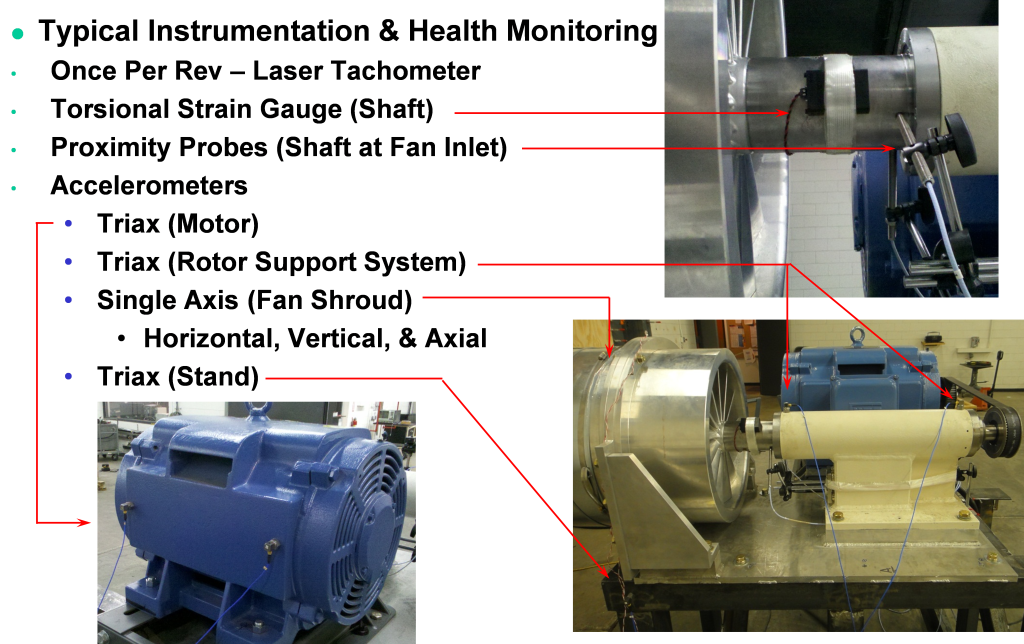
Figure 3. MSI recommended example instrumentation for informative vibration measurements. These same instruments are also used in the field for troubleshooting and solving problems and field performance testing.
What Is Blower and Fan Performance Testing?
Blower and fan performance testing evaluates the aerodynamic efficiency, airflow capacity, pressure characteristics, and mechanical behavior of fans and blowers.
These tests can be performed in a controlled laboratory environment to determine how a fan performs under different operating conditions.
Fan performance testing helps engineers:
- Verify compliance with industry testing standards
- Measure airflow and static pressure performance
- Determine efficiency and power consumption
- Generate fan performance curves
- Identify vibration or mechanical issues
Testing is commonly performed according to:
- ANSI/AMCA 210-07
- ANSI/ASHRAE 51-07
These standards define the accepted procedures for measuring aerodynamic performance of fans and blowers.
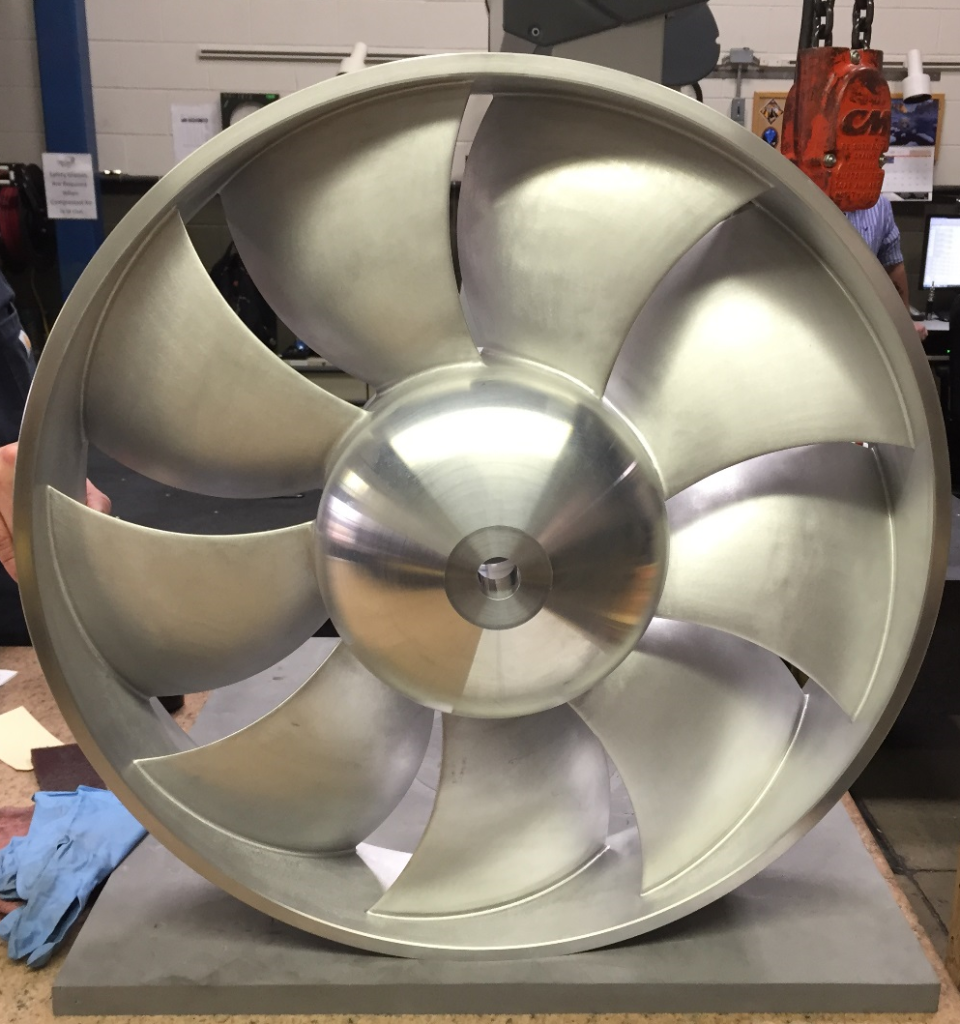
Figure 4. View of a 24” shrouded axial-flow fan integrally machined from Aluminum billet for a specialized low noise application. Both an 18 inch and 24 inch fan were tested in this particular MSI design and development project that included prototype manufacturing and certified lab testing.
How Does Fan Performance Testing Work?
Fan performance testing involves operating a blower or fan under controlled conditions while measuring airflow, pressure, torque, and vibration.
Engineers adjust operating parameters such as fan speed and system resistance to generate a complete performance map.
Measuring Airflow and Pressure
Specialized airflow measurement equipment is used to determine:
- Static pressure
- Dynamic pressure
- Air velocity
- Flow distribution
Instrumentation may include pitot tubes (Figure 5) and pressure transducers, which help capture accurate airflow measurements, especially for low static head fan applications. Potential flow conditioners can be tested in a controlled environment (Figure 6).
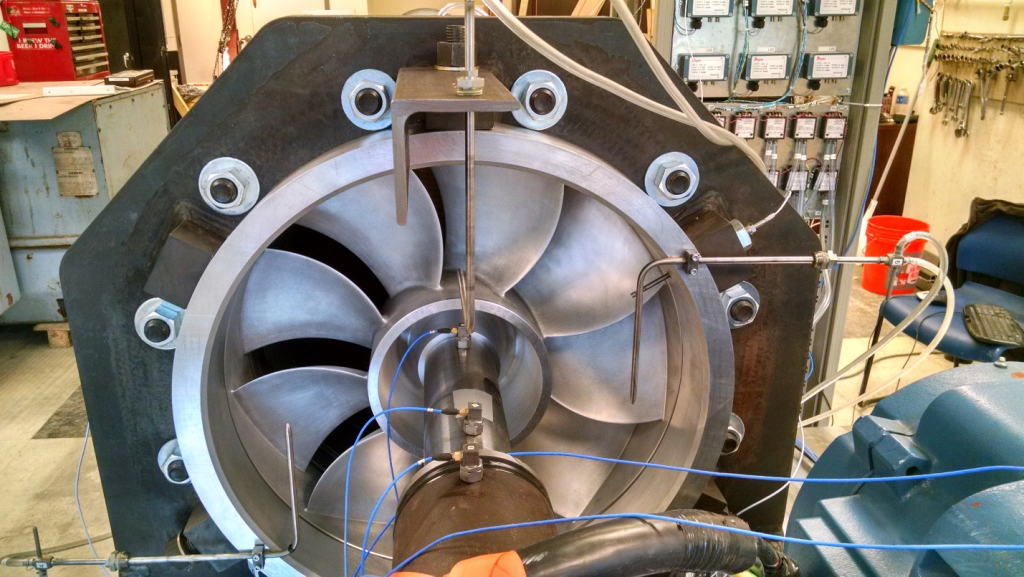 Figure 5. View of fan discharge showing pressure sensing pitot tubes to supplement standard for low static head fan applications.
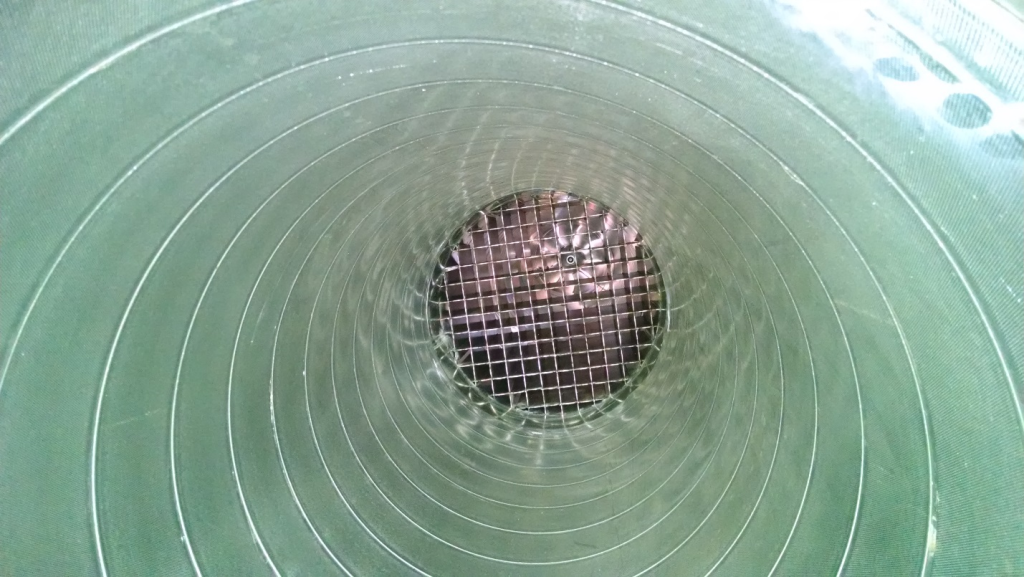 Figure 6. View Depicting Flow Conditioner that the customer wanted tested.
Measuring Fan Speed and Power
A variable frequency drive (VFD) system allows engineers to control fan speeds and evaluate performance across a wide operating range (Figure 6).
Drive systems capable of handling motors up to 150 horsepower allow large industrial fans to be tested under realistic conditions.
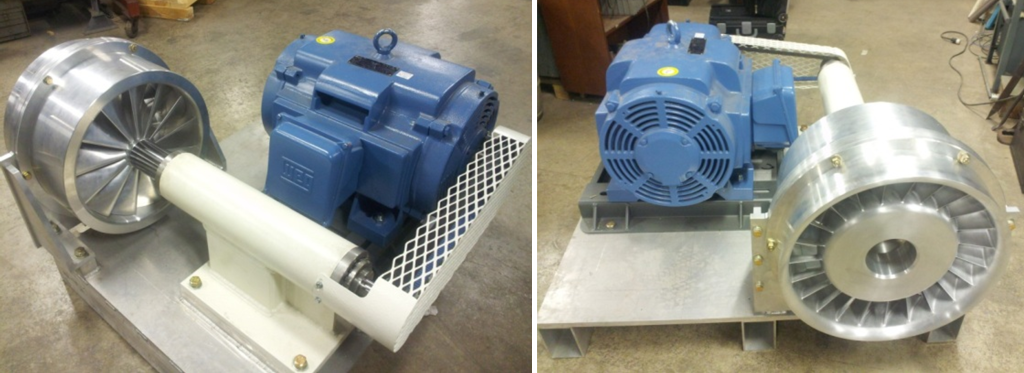 Figure 7. View of an 18” 6000 RPM Low Noise Fan Sub-Assembly with Its Drive Motor.
Measuring Torque and Mechanical Performance
Torque measurement systems using strain gauges and radio-frequency telemetry provide real-time measurement of mechanical load and fan efficiency.
This data is used to determine how efficiently the fan converts input power into airflow.
What Equipment Is Used in MSI’s Testing Laboratory Utilized for Testing Rotating Machinery such as Blowers, Fan, Compressor, and Pumps?
Advanced testing facilities use a wide range of instrumentation to accurately measure aerodynamic and mechanical performance.
MSI’s typical laboratory capabilities include:
- Drive systems up to 150 horsepower
- Variable frequency drive systems for speed control
- Test rigs capable of handling systems over 40 feet in length
- 300-channel data acquisition systems using NI LabVIEW
- Radio-frequency telemetry systems for torque measurement
- Strain gauges for mechanical stress analysis
- Pressure and temperature transducers
- Proximity probes for rotor vibration monitoring
- Pitot tube airflow sensors
- Accelerometers for real-time vibration monitoring
- Motion Magnified Video (VibVue®)
These tools enable engineers to gather high-resolution performance data and identify potential mechanical or aerodynamic issues.
Why Is Vibration Monitoring Important During Fan Testing?
Vibration monitoring plays a critical role in fan performance testing because excessive vibration can indicate:
- Rotor imbalance
- Structural resonance
- Acoustic resonance
- Mechanical misalignment
- Bearing issues
- Aerodynamic instability
Using accelerometers and proximity probes, engineers can monitor axial and radial rotor vibration in real time during testing.
This helps ensure the fan operates safely and reliably within its design limits. While measuring vibration during a lab or factory test can provide useful information, vibration acceptance testing needs to be performed after the machinery is installed and operating in the field.
What Types of Data Are Collected During Fan Performance Testing?
Fan testing laboratories typically collect multiple types of performance data, including:
- Airflow velocity
- Static and dynamic pressure
- Power consumption
- Torque
- Fan speed
- Temperature
- Vibration levels
Advanced testing setups can also measure circumferential and axial velocity components, which provide deeper insight into airflow behavior within the fan system.
What Are the Benefits of Independent Certified Fan Performance Testing?
Certified fan performance testing provides several important benefits:
- Verifies compliance with industry standards
- Validates manufacturer performance claims
- Improves product reliability
- Identifies aerodynamic inefficiencies
- Supports product development and optimization
- Reduces risk of field performance issues
These tests are essential for industries that rely on high-performance air movement systems, including power generation, HVAC, manufacturing, and industrial processing.
Frequently Asked Questions
What is fan performance testing?
Fan performance testing measures airflow, pressure, power consumption, and efficiency of a fan or blower to determine its aerodynamic performance.
What standards are used for fan testing?
Common industry standards include ANSI/AMCA 210-07 and ANSI/ASHRAE 51-07, which define laboratory testing procedures for fans.
Why is blower testing important?
Blower testing ensures that fans operate efficiently, meet design specifications, and perform reliably under real-world operating conditions.
How is airflow measured during fan testing?
Airflow is measured using instruments such as pitot tubes, pressure transducers, and airflow measurement systems that capture velocity and pressure data.
What role does vibration monitoring play in fan testing?
Vibration monitoring helps detect mechanical issues such as imbalance, misalignment, or bearing problems that could affect fan reliability and performance.